








The European Bank for Reconstruction and Development (EBRD) is supporting Egypt’s energy transition and industrial decarbonisation with US$ 63 million (€54.7 million) of financing to Dandara Solar Power.
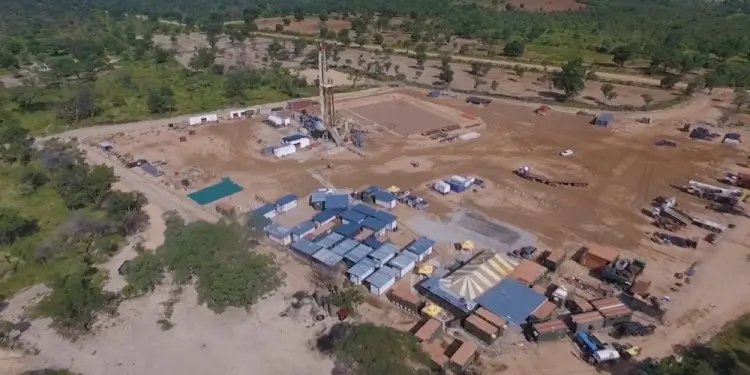
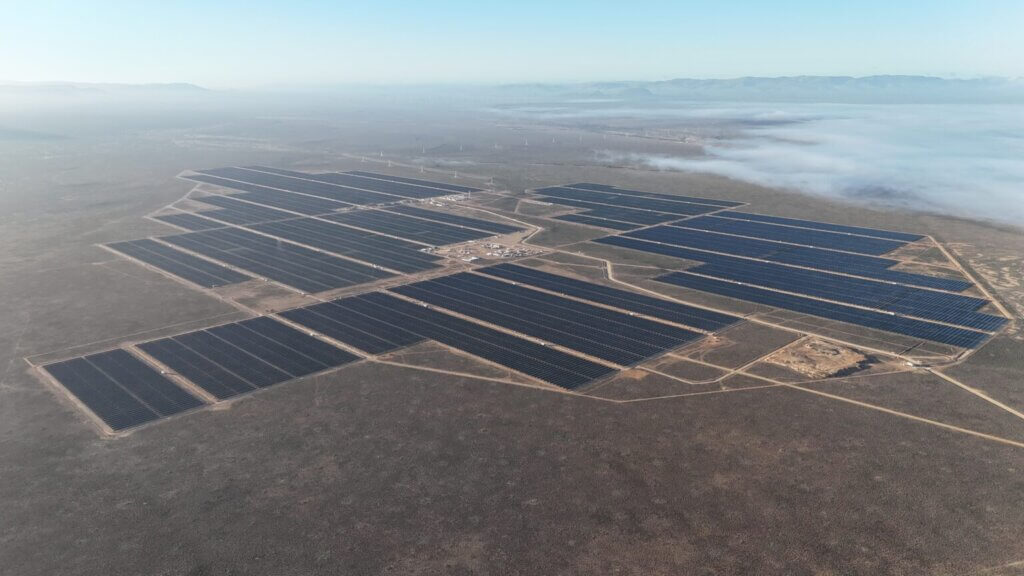
This financing will support Dandara Solar Power’s construction and operation of a 500 MW solar photovoltaic plant, which will be combined with a 100 MWh battery storage system in the Nagaa Hammadi region that will deliver reliable renewable power to one of the country’s largest industrial producers. Developed under the EBRD-led energy pillar of Egypt’s Nexus of Water, Food and Energy (NWFE) programme, the Project is also co-financed by the African Development Bank and the European Investment Bank.
The financing includes US$ 10 million (€8.7 million) of concessional finance from CIF and US$ 7 million (€6.1 million) from Canada through the EBRD’s High-Impact Partnership on ClimateAction (HIPCA).
The facility is expected to generate approximately 1.47 TWh of renewable electricity annually, providing electricity to more than 300,000 households, and reduce annual carbon dioxide emissions by nearly 732,000 tonnes. The battery storage system will enable solar electricity produced during the day to be supplied during peak-demand periods, improving grid stability and reducing reliance on fossil fuel-based generation.
Electricity from the plant will be supplied to Misr Aluminium Company (EgyptAlum) under a 25-year power purchase agreement and delivered through Egypt’s national transmission network.
Harry Boyd-Carpenter, EBRD Managing Director for Sustainable Infrastructure, said: “Expanding renewable energy capacity is critical to strengthening Egypt’s energy security and supporting long-term economic growth. This project will demonstrate how solar power and battery storage can work together to deliver cleaner and more reliable electricity while reducing greenhouse gas emissions. We are proud to work with our partners and donors to help pave the way for a more sustainable energy future.”
Developed by Scatec as the main sponsor, the plant and the battery storage system will strengthen Egypt’s energy security, increase renewable generation capacity and help to integrate more clean electricity into the national grid.
The investment also includes a skills-development component in Qena Governorate. A nationally accredited training programme will provide green and digital skills to at least 100 participants, with women expected to account for at least 25 per cent of trainees. Scatec will also offer up to five internships annually to programme graduates.
Terje Pilskog, Chief Executive Officer of Scatec, said: “Dandara builds on what Scatec recently achieved with Obelisk; now bringing renewable power directly to Egyptian industry at scale. The backing of EBRD, AfDB and EIB reflects the strength of the project and our track record in Egypt. We are proud to be delivering another landmark project in a country that has become one of our most important markets, and the confidence that leading international development finance institutions place in Scatec as a partner.”
The EBRD has invested €16.1 billion in Egypt since it began operating in the country in 2012, supporting private-sector development, green finance, sustainable infrastructure and economic inclusion.