

















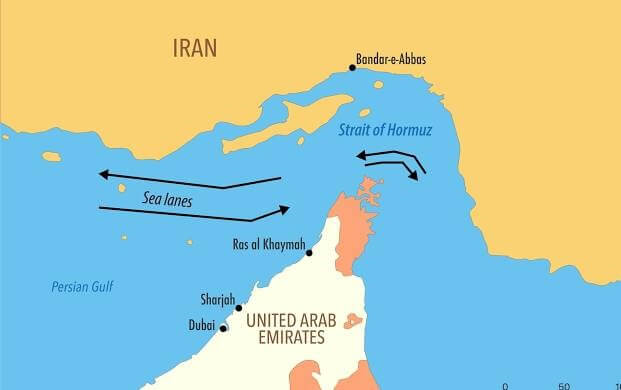
Global oil prices have a sharp decline following Mr. Trump’s pronouncement on a temporary cease-fire in the ongoing US–Israel war in Iran, easing immediate concerns over disruptions in the Strait of Hormuz, through which 20% of the world’s crude oil production is transported.
According to the OPEC Crude Oil Basket Price as at 24th of March, 2026, the crude oil price stood at $132.21, falling from $145.24, as at 23rd of March before Trump’s pronouncement. U.S. President Donald Trump announced a temporary delay in planned military strikes and pointed to “productive” ongoing discussions with Tehran.
The market reaction reflects growing investor optimism that tensions may de-escalate, potentially restoring stability to oil flows through the Strait of Hormuz, which carries roughly a fifth of global oil supply and has been severely disrupted during the conflict.
Trump posted on Truth Social today that the US and Iran had held “very good and productive conversations regarding a complete and total resolution of our hostilities in the Middle East” and that he had “instructed the Department of War to postpone all military strikes against Iranian power plants and energy infrastructure for five days.”
Iran denied that any negotiations had taken place. This follows an earlier warning from parliament speaker, Mohammad Baqer Qalibaf, on X that if Iran’s own infrastructure were struck, “critical infrastructure and energy and oil infrastructure throughout the region will be considered legitimate targets and will be irreversibly destroyed, and oil prices will remain high for a long time.”
Market Relief After Weeks of Volatility
Oil prices had surged above $100 per barrel in recent weeks amid fears of prolonged supply disruptions, infrastructure damage, and threats to shipping lanes in the Gulf. Today’s decline signals a partial unwinding of that “war premium” as traders reassess geopolitical risks.
Analysts caution, however, that the situation remains fragile. While diplomatic signals have improved sentiment, key uncertainties persist, including the status of negotiations, regional security conditions, and the reopening of maritime transit routes.
Strategic Importance of Hormuz Remains Central
The Strait of Hormuz, a chokepoint through which 20% of global oil passes, remains at the heart of global energy concerns. Any sustained disruption or renewed escalation could quickly reverse today’s price declines and reintroduce significant volatility into energy and financial markets.
Industry leaders and policymakers are closely monitoring developments, with calls growing for coordinated international efforts to ensure the security and openness of vital energy corridors.