









ExxonMobil is the first company to file an application with the U.S. Environmental Protection Agency (EPA) to use new technologies to detect methane emissions at oil and natural gas sites.
We are seeking approval with the EPA for an “Alternate Means of Emissions Limitation” so that we can use airplanes equipped with detection technology to conduct flyover inspections over large areas. This would enable us to detect methane leaks across a broad geography and then send crews out to fix leaks more efficiently, ultimately enhancing the compliance methods now required.
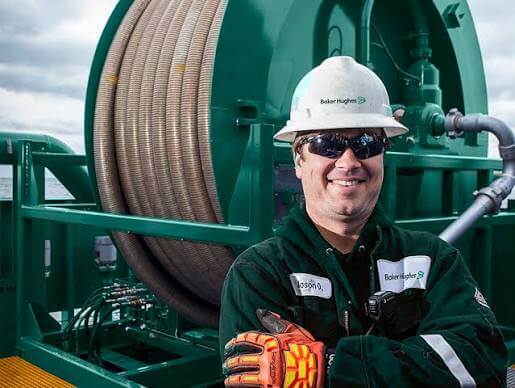
Existing regulations currently stipulate that individuals must travel from site to site with a hand-held camera to inspect each piece of equipment. Through the EPA’s process, we look forward to demonstrating how this alternative method works well across multiple distributed sites.
Effective methane detection technologies
We hope this process will pave the way for more flexibility for industry to deploy new technologies that can lead to a better result for everyone. Over time, technologies such as this can enable us to further reduce methane emissions from operations on private, state and federal lands alike, while continuing to support thousands of jobs and drive billions of dollars in economic impact. We share the long-term goal of having the entire industry find and fix emission leaks most effectively.
ExxonMobil has been at the forefront of looking for new and better ways to detect methane leaks, and this industry first is a concrete result that we believe warrants adoption by regulators.
Reducing methane emissions
Reducing leaks is part of our overall commitment to reduce methane emissions in our operations. Between 2016 and 2020 the company eliminated more than 67,000 tonnes of methane from its unconventional operations, and recently outlined plans for further reductions in methane intensity by 40-50% by 2025, compared to 2016. This includes our direct (Scope 1) and indirect (Scope 2) emissions from our operated assets and is expected to result in a 40-50% decrease in our absolute methane emissions globally.
We’re working hard to reduce our own methane emissions, we’ve long advocated for federal methane regulations from both new and existing sources, and we’re proud to be leading the way in deploying new technology.