




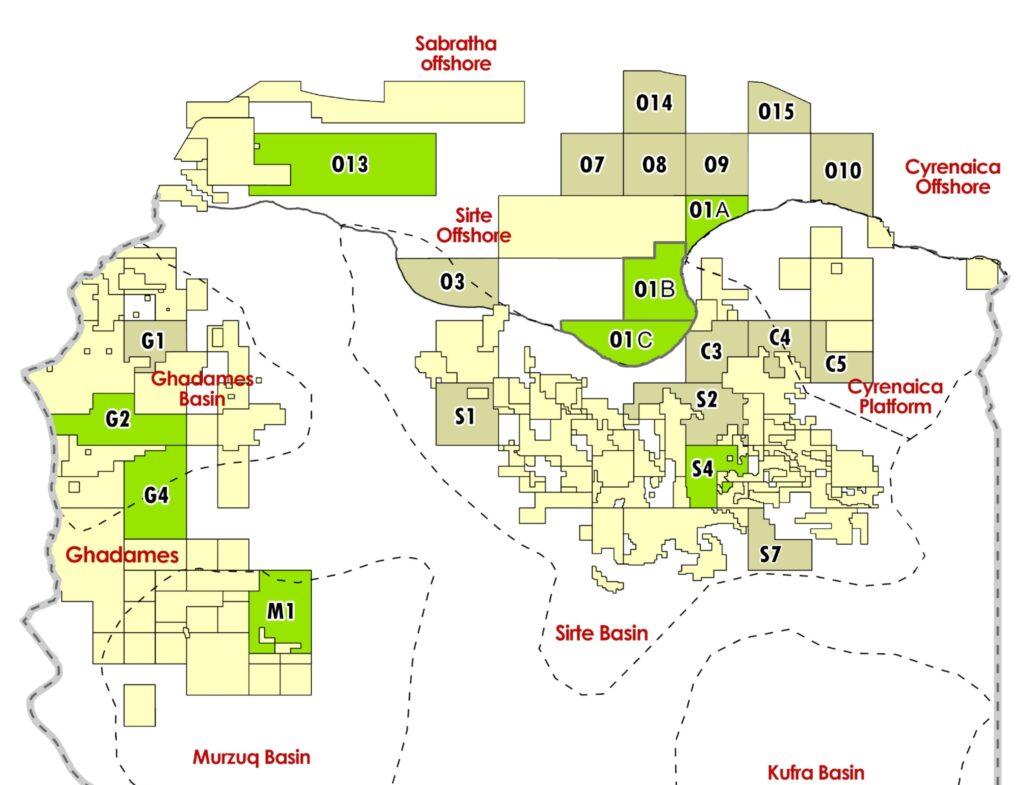
The National Oil Corporation (NOC) of Libya has, in February, unveiled the licensing bid winners across the onshore Sirte and Murzuq basins and offshore blocks in the Sirte basin of the gas-rich Mediterranean, its first bid round since 2007.
The bid winners have been coming since 2007, following the ousting of Muammar Gaddafi in 2011. Global energy watchdogs and potential investors have viewed the latest development in the oil-rich African country as right step in the right direction towards unleashing the economic resources of the country, which has been economically stifled since the death of Gaddafi. The awards signal renewed interest as foreign investors have been wary for years of Libya’s operating environment, after it descended into chaos following the 2011 overthrow of longtime ruler Muammar Gaddafi.
The licensing round, in which five of 20 blocks on offer were awarded, follows a 25-year oil development deal last month with France’s TotalEnergies and ConocoPhillips. According to Reuters, Eni and QatarEnergy secured rights to Offshore Area 01 in the Sirte basin, strengthening a strategic partnership between them that has expanded across the Mediterranean.
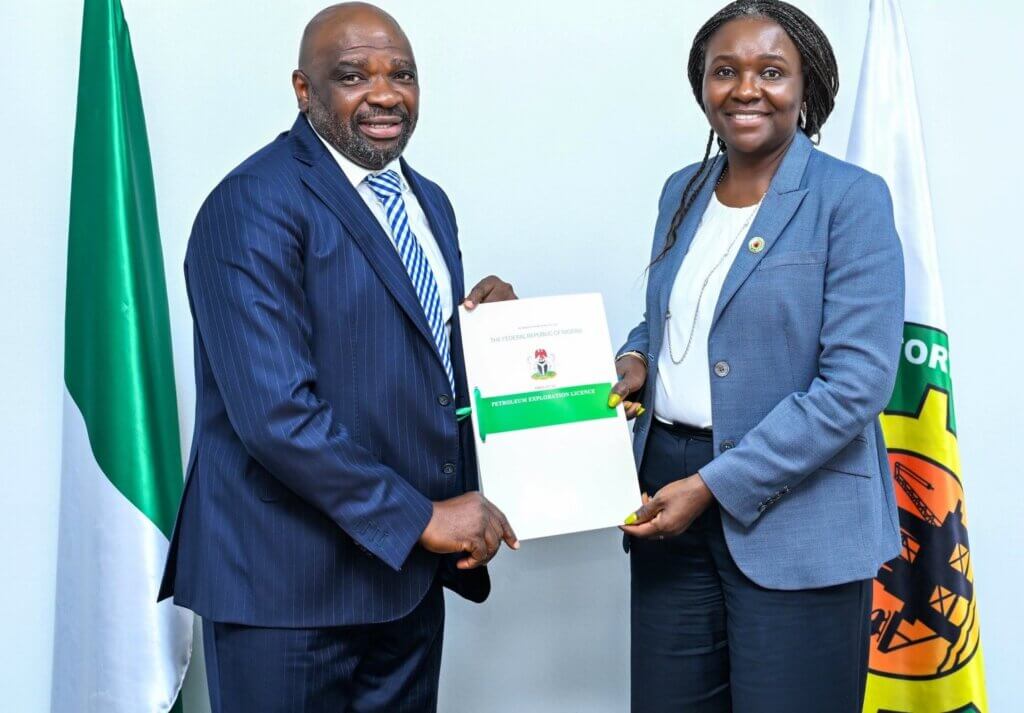
A separate consortium of Repsol, Hungary’s MOL and Turkey’s state-owned TPOC won Offshore Area 07, also in the Sirte basin. Chevron secured the Sirte S4 exploration licence, marking a significant return to Libya’s most prolific onshore basin. In the southern Murzuq basin, Nigerian oil company Aiteo won the M1 licence, representing a rare entry by an African independent into the country’s upstream sector.
The inclusion of Turkey’s TPOC in two separate licences, including the onshore C3 block with Repsol, highlights ties between Ankara and Tripoli, where the internationally recognised Government of National Unity led by Prime Minister Abdulhamid Dbeibah is based.
QatarEnergy’s entry into the offshore sector alongside Eni could signal Libya is potentially seeking to tap Doha’s gas expertise as the country aims to boost gas exports to Europe by 2030.
The round used a new, more investor-friendly contract model to replace the rigid terms that previously deterred investment. Libya is targeting a production capacity of 2 million barrels per day (bpd) from current output of around 1.4 million bpd.
“Libya is a priority country in Repsol’s portfolio where it sees continued potential through targeted investments in exploration, production enhancement, and infrastructure optimization,” Repsol told Reuters in a statement.