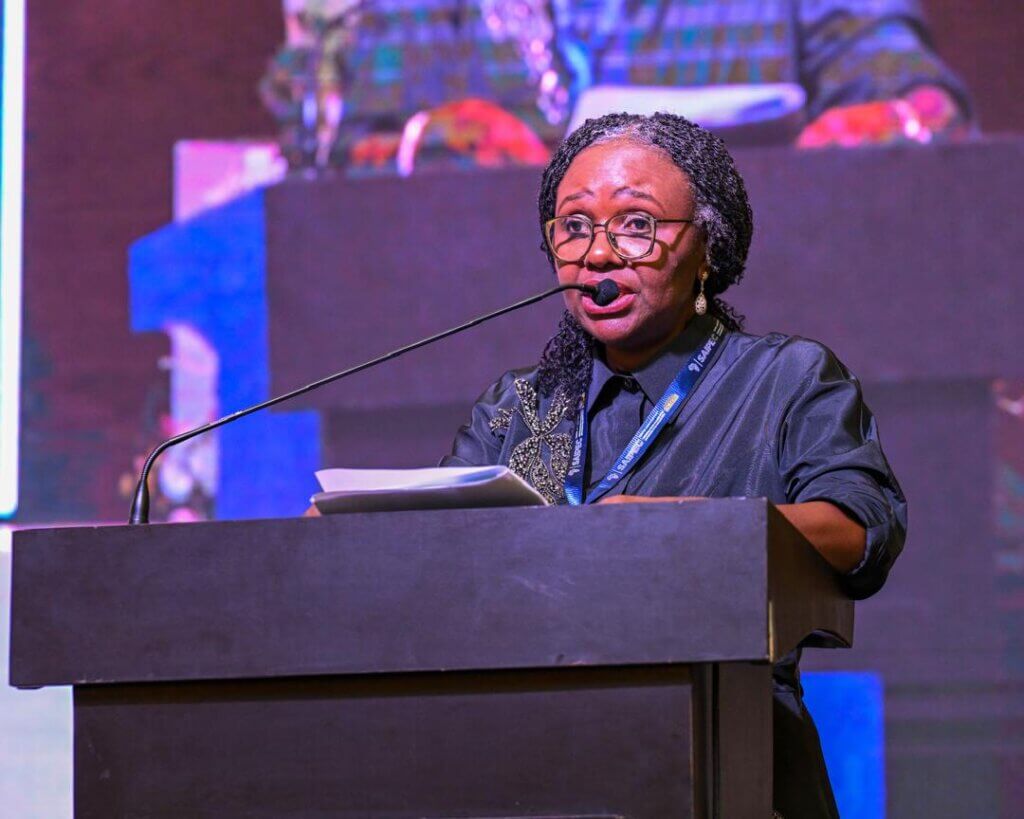





The Chairman of the Independent Petroleum Producers Group (IPPG) and Chief Executive Officer of Aradel Holdings, Mr. Adegbite Falade, has disclosed that the Nigerian-owned oil and gas exploration and production companies are responsible for over 50% of 1.64 Mbpd of crude oil produced in 2025.
Mr. Adegbite, who is making his maiden appearance at this Summit as the Chairman of IPPG made the startling revelation in his remarks during the 2026 Nigeria International Energy Summit (Nies) opening ceremony in Abuja, Nigeria, lauding His Excellency, President Bola Ahmed Tinubu’s transformative initiatives as the bedrock of this attainable milestone in Nigeria’s upstream sector.
“Since the 2025 edition of the Summit, Nigeria’s oil and gas industry has recorded notable progress across the entire value chain. In the upstream sector, crude output improved, with average liquids production rising to around 1.64 Mbpd in 2025, up from 1.56 Mbpd
“In 2024, with a peak production of 1.77 Mbpd. Growth in liquid production was supported by increased export pipeline availability, reduced crude losses, and stronger indigenous production”, Adegbite said.
“For the first time, Indigenous producers/Independents now account for more than 50% of national production. Under the watch of Mr. President, necessary approvals were granted to Major upstream M&A activities, which further increased local ownership and strengthened operational control among indigenous players,” He added.
Further in his speech, Adegbite highlighted that the midstream and downstream segments of Nigeria’s oil and gas have also recorded meaningful progress, stating that more than 16 companies have received support from the Midstream and Downstream Gas Infrastructure Fund (MDGIF), enabling a range of CNG, mini‐LNG, and LPG projects across the country viz a vice Dangote’s revolutionization of petroleum products supply networks.
“Domestic gas utilisation through the rapid expansion of CNG refueling stations and the rollout of gas‐powered transport systems happened at unprecedented scales. Significant work also continued on critical backbone pipeline infrastructure, including the AKK and OB3 pipelines. In addition, construction of the NLNG Train 7 project achieved major milestones, reaching 80% completion and moving decisively towards commissioning.
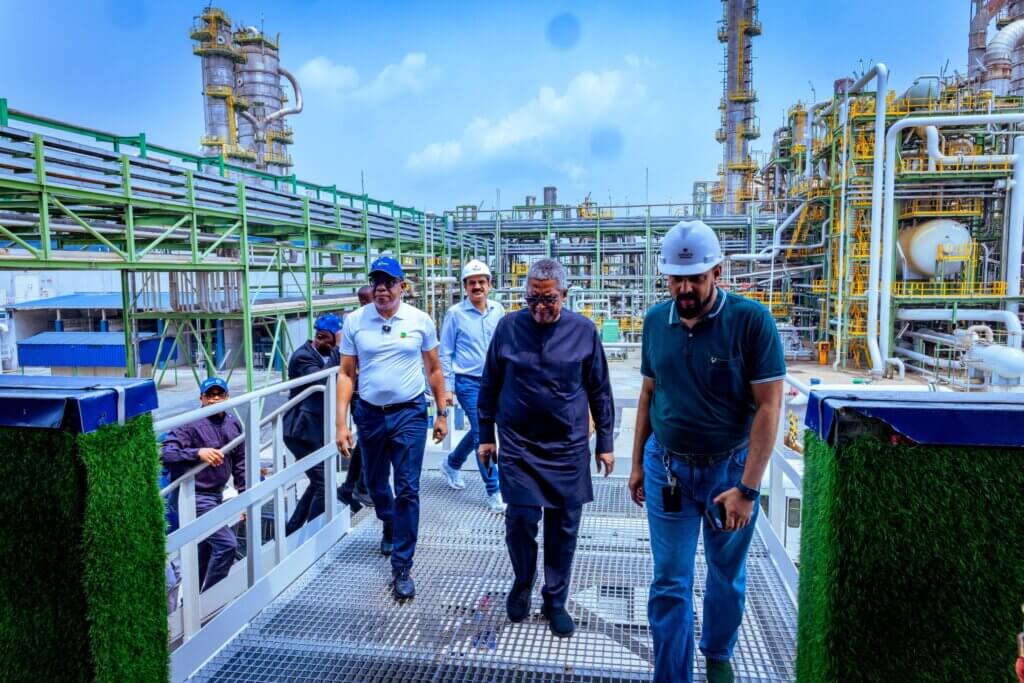
“In the downstream sector, the operational ramp‐up of the 650,000bpd Dangote Refinery began reshaping domestic fuel supply, reducing import dependence and increasing local refining capacity,” Adegbite stated.
On the policy and regulatory front, the Chairman of IPPG commended the government for introducing significant reforms, such as the Upstream Petroleum Operations Cost Efficiency Incentives Order (2025), which offers performance-based tax credits to operators who reduce costs.