









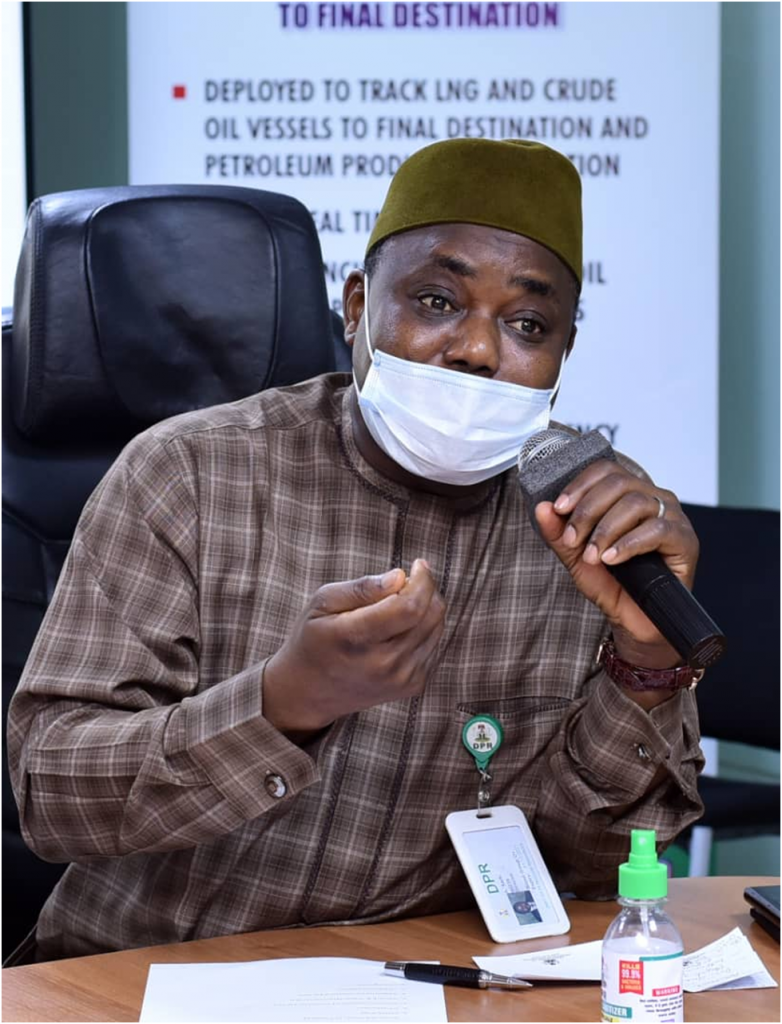
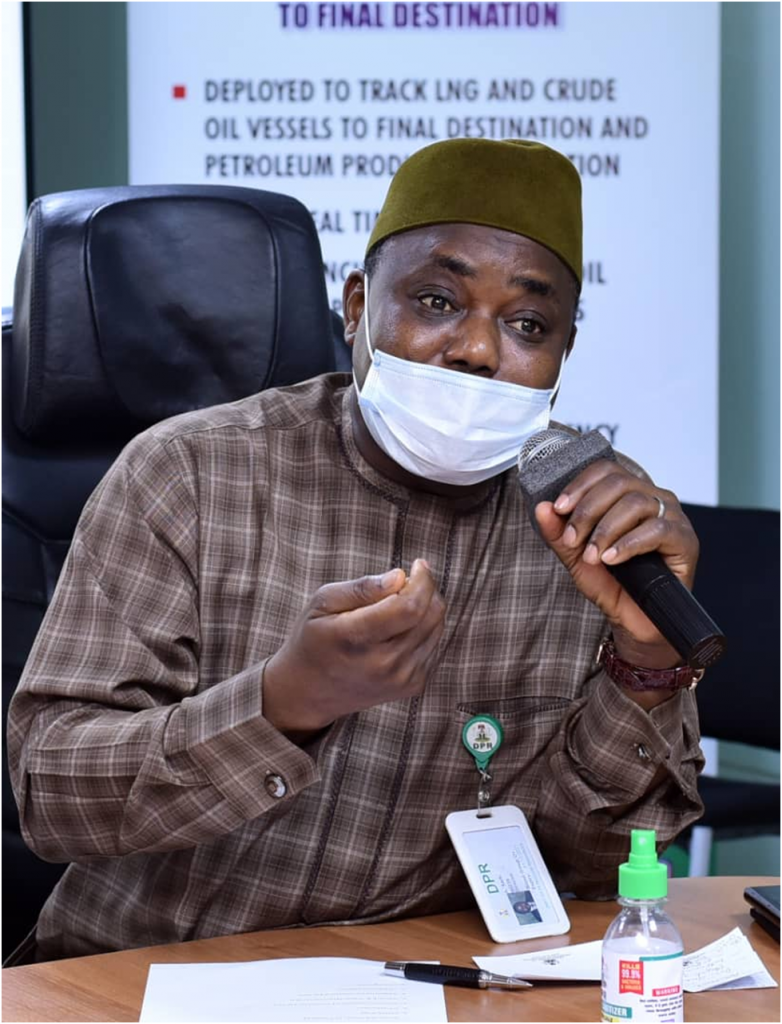
The Nigeria regulatory body, Department of Petroleum Resources (DPR) has clarified the process it uses for accounting for crude production in the country, noting that most incidents relating to oil theft occurs from the land terminals.
Mr Paul Osu, Head, Public Affairs, DPR, disclosed this in a statement made available to TBI Africa in Lagos on Thursday. Said Engr. Sarki Auwalu, Director, DPR made the clarification while speaking before the House of Representatives Ad-hoc Committee on Oil Theft in Abuja.
Auwalu told the committee chaired by Hon. Peter Akpatason , that the DPR was the agency of government saddled with the responsibility of monitoring crude oil production and lifting.
He said: I will like to use this opportunity to give a brief on how we account for hydrocarbon in this nation.
”I think that will provide a better view for this committee as well as Nigerians. The process starts from the well because every crude oil comes from well, and you cannot drill a well without knowing the capacity of that well to produce.
“So, the hydrocarbon accounting in DPR starts from well. Once you drill a well, you will need to have what we call a maximum efficiency rate (MER) to know the capacity that well will produce. The volume accounting starts from that point.”
According to him, the methodology used in hydrocarbon accounting are static measurement and dynamic measurement.
The director said: ” The static is the volume that went into tank that you can dip and know the volume while the dynamic is the volume that goes across the meter.
”We have two kinds of meters: we have production meter that you measure the volume of oil produced and we have custody transfer meter where you measure the volume of oil that exchanged hands.
“What we do is to take inventory of all wells producing in every field based on the volume we give, within which that well cannot produce more than that.
“If you under produce, you can kill the reservoir. If you over produce, you can kill the reservoir. All these volume measurements, whether static or dynamic, we take record of them.”
He disclosed that Nigeria has over 30 terminals with five of them being land terminals.
Auwalu said: “Most of the thefts, they are coming from land terminals because the land producers have to use pipelines to transport the crude into the terminals for export.
” In the process, you have a lot of third party interference which results in volumes that are being taken and are stolen.
“So, most of the discrepancies in production and export, you can easily calculate the theft volume.
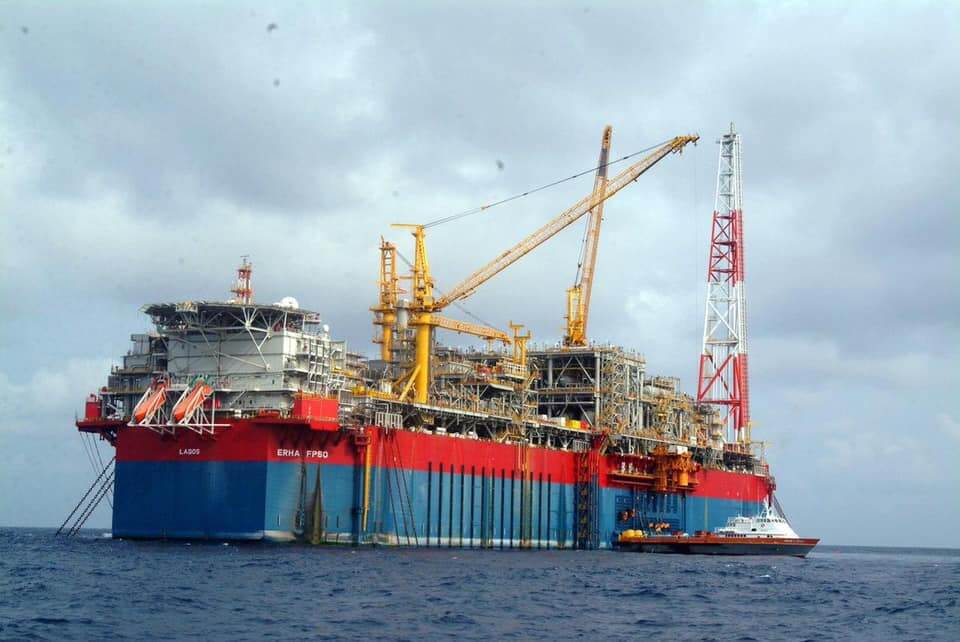
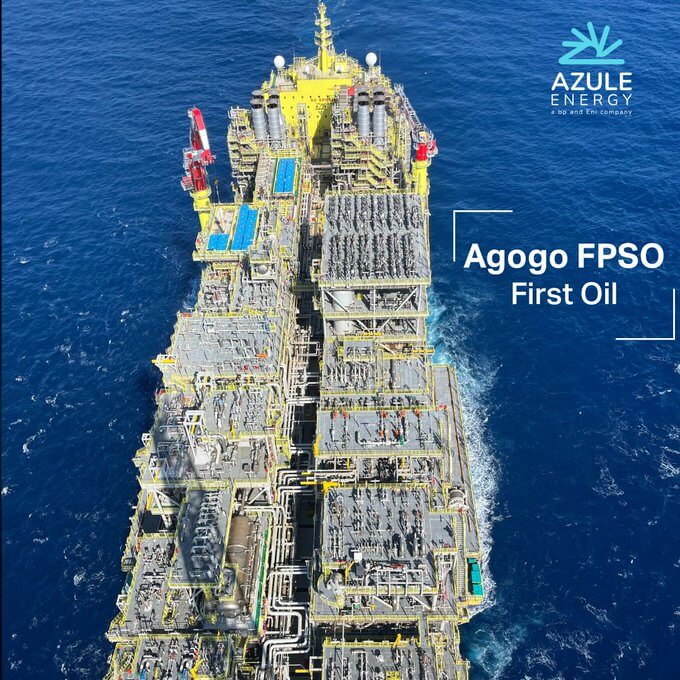
“And the theft volume, if not all, come from the land terminals. But the offshore terminals, it is actually practically impossible to steal crude from offshore terminals, since it is from the bottom of the sea.”
Earlier in his remarks, Akpatason said the effects of crude oil theft could not be overemphasised, adding that it was the responsibility of all patriotic Nigerians to put an end to the menace.
He said the DPR was identified as the agency playing a key role in the monitoring of crude oil production and lifting in the country hence its invitation to the agency.