









The Nigerian Federal Government has taken a decisive and timely intervention in the Dawes Island marginal field dispute, reinforcing the country’s commitment to protecting indigenous investment and sustaining momentum in oil and gas production growth, as the African Energy Chamber (AEC) commended the gesture.
Following the recent Federal High Court ruling concerning the Dawes Island field, the Office of the Attorney General has moved swiftly to coordinate a response, directing the Nigerian Upstream Petroleum Regulatory Commission (NUPRC) to initiate an appeal. The NUPRC has since formally filed an application for leave to appeal, signaling a clear and unified government effort to uphold regulatory integrity and ensure continuity for operators delivering tangible results.
A Federal High Court in Nigeria has recently delivered a judgment against the Ministry of Petroleum Resources, reversing the 2020 revocation of the Dawes Island marginal field license previously awarded to Eurafric Energy Limited, and is developed by Petralon 54 Limited since 2022.
The ruling effectively challenges the Nigerian regulator’s 2020 decision not to renew Eurafric’s license that had expired without commercial production after 17 years. An appeal has since been initiated by Petralon 54 Limited, with a stay of execution pending determination by higher courts.
This proactive intervention by the Nigerian Upstream Petroleum Regulatory Commission sends a strong message to both domestic and international stakeholders: Nigeria remains committed to fostering a stable and predictable investment climate where performance, capital deployment, and production are recognized and protected.
Petralon 54 Limited Investment Strides
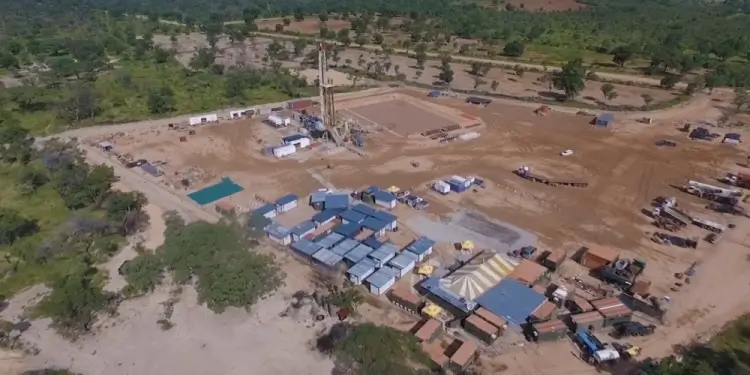
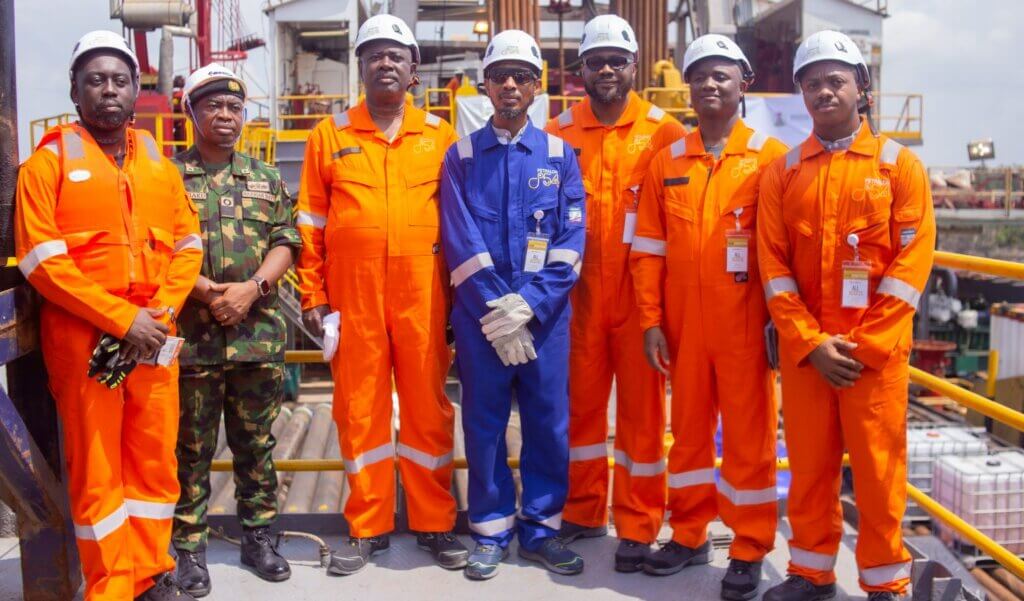
At the center of the dispute is Petralon 54 Limited, the Nigerian-owned operator of the Dawes Island oil block, which assumed operatorship in 2021 following a marginal bid process. Since then, the company has invested approximately $60 million to rehabilitate infrastructure, drill multiple wells, and bring the field into production – an achievement that stands out within Nigeria’s marginal field landscape.
Within a short timeframe, Petralon successfully drilled two wells – DI-2 to 9,740 ft and DI-3 to 10,193 ft – evacuating over 200,000 barrels of crude to the Bonny Terminal and remitting an excess of $900,000 in royalties to the Federal Government by March 2026. These results underscore the importance of ensuring that operators who deliver on their commitments are supported through consistent and transparent regulatory processes.
“The Nigerian government’s swift action demonstrates a clear understanding of what is at stake,” said NJ Ayuk, Executive Chairman of the AEC. “Protecting investors who deploy capital, create value and contribute to national production is essential to maintaining confidence in the sector. This intervention reinforces Nigeria’s position as a serious and responsive energy investment destination.”