







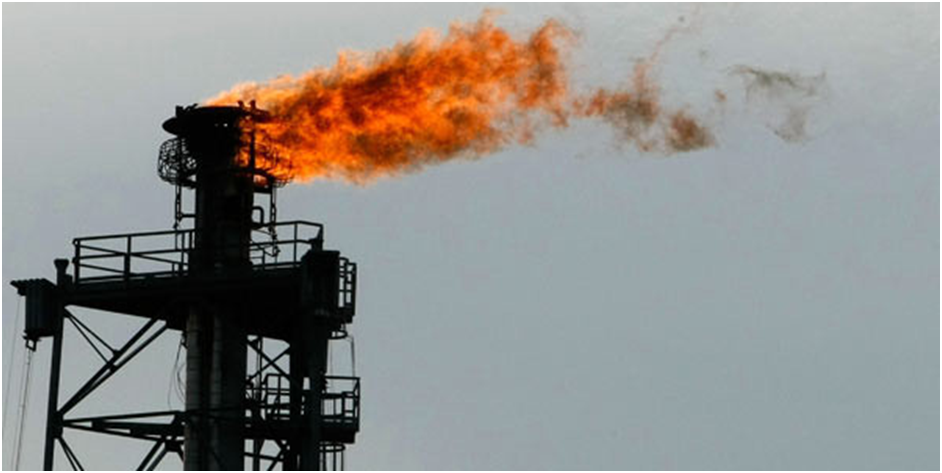
South Sudan has started to operate its Bentiu’s oil refinery in Unity State, with a capacity to refine 10, 000 barrels per day (bpd), the deputy managing director of the firm that built the refinery said.
Bentiu’s refinery is a joint venture by Russia’s Safinat and the state-owned Nile Petroleum Corporation (Nilepet). The refinery which was built at a cost of $100 million is one of the five refineries, which will have a total refining capacity of 127,000 barrels per day.
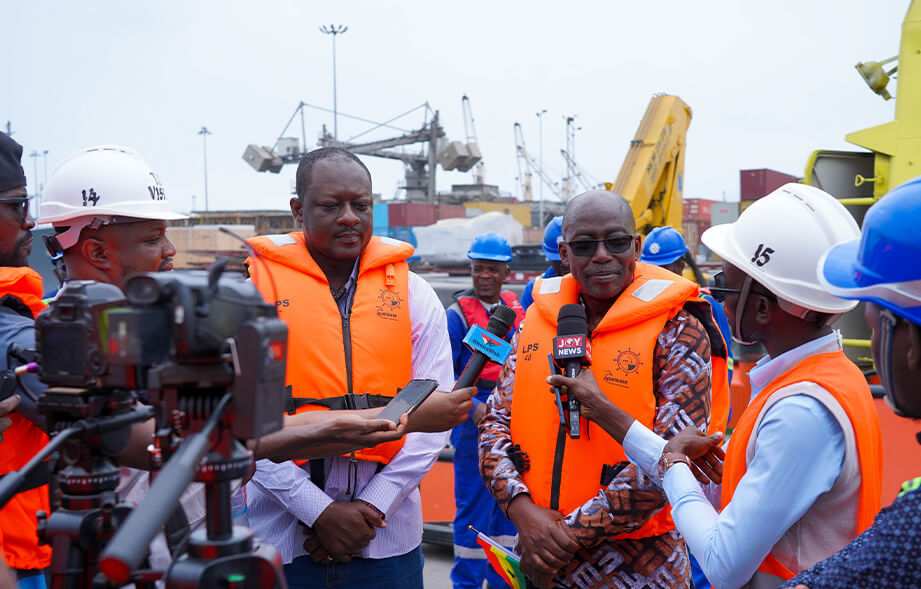
“We have come to the market to reduce the high prices of fuel. Bentiu’s refinery has a capacity to produce 10,000 barrels per day, which include heavy fuel oil or furnace in commercial language. Now, we have received three trucks loaded with that product,” Yak Malong, a deputy managing director for downstream at Nilepet, told reporters in Juba on Saturday.
According to the deputy managing director, the refinery will soon produce diesel and a small quantity of petrol for local consumption. “Having three trucks of heavy fuel oil in Juba means that all our hopes have been energized again. We have the issue of power and you know this product is mainly used for power generation,” Malong said.
“Our aim to bring these three trucks is to tell the world that we are able and we managed despite the political situation we have been going through. South Sudan is here to provide you with heavy fuel oil at any time you request it,” he said.
The Nilepet official revealed that the 10,000 barrels per day are taken from oilfields being operated by Greater Pioneer Operating Company (GPOC), which is owned by China’s National Petroleum Corporation, Malaysia’s Petronas and India’s ONGC Videsh.
“Yes, there are challenges. One of the challenges is transportation and storage capacity. Nilepet is doing well and has been preparing to face this situation,” he said.
The oil sector has been battered since South Sudan’s civil war started in December 2013. With 90 per cent of the economy relying on oil revenues, the country hopes to restart normal crude production.
Landlocked South Sudan, which has sub-Saharan Africa’s third-biggest oil reserves, has been importing fuel to meet its petroleum demand, mainly from neighbouring countries.